Securing dependable HVAC Denver support requires mechanical specialists who understand how high-altitude atmospheric pressure changes heating combustion and cooling heat exchange. Sudden Front Range weather shifts can drop outdoor temperatures 40 degrees in hours, placing severe strain on residential heating systems across Denver County.
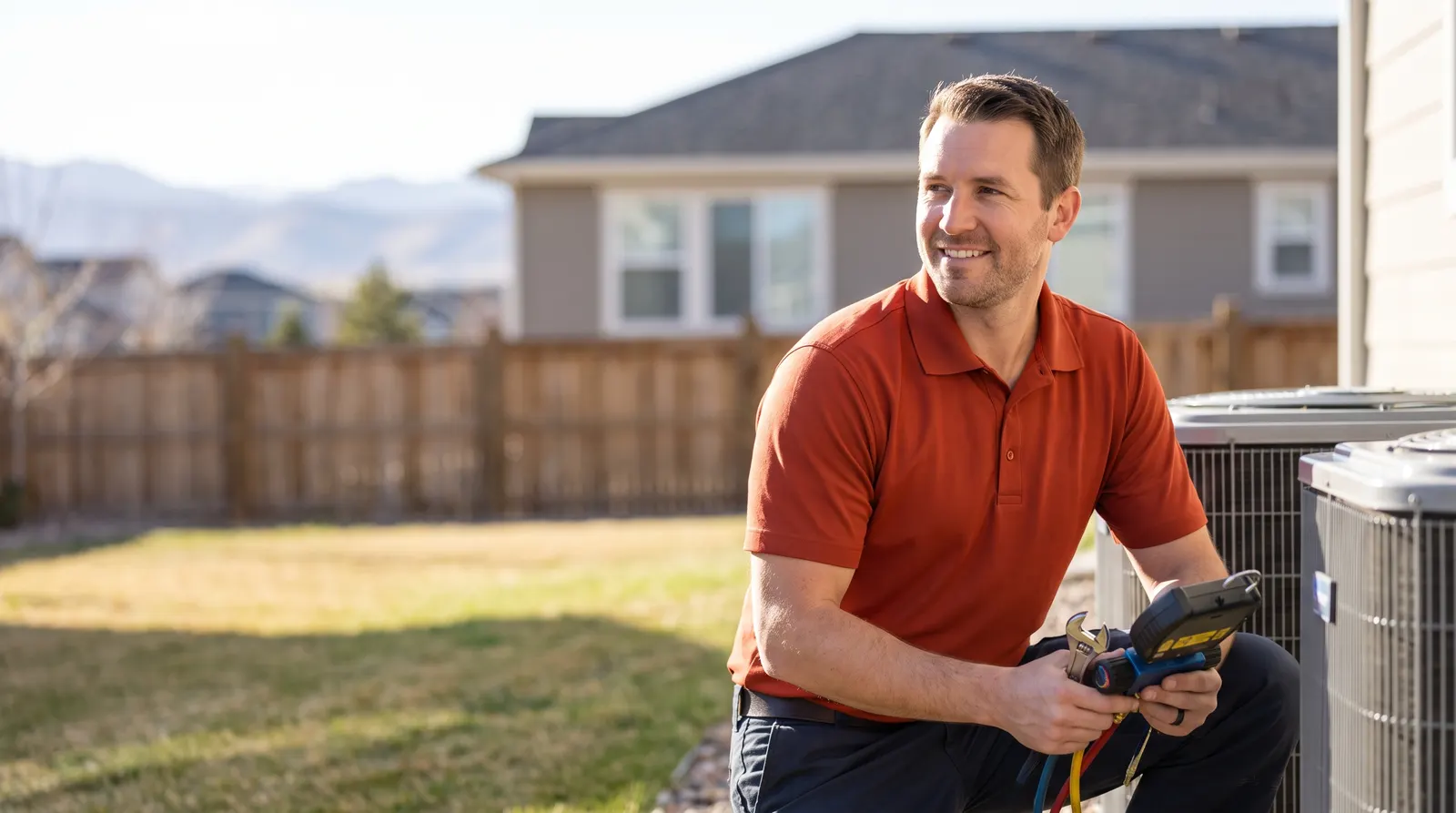
An HVAC company in Denver is a licensed mechanical service provider that installs, inspects, maintains, and repairs heating, ventilation, and air conditioning equipment calibrated specifically for Mile High altitude and Front Range climate shifts.
Every service reflects the same meticulous attention to detail — whether it's a single job or a larger hvac project across Denver.
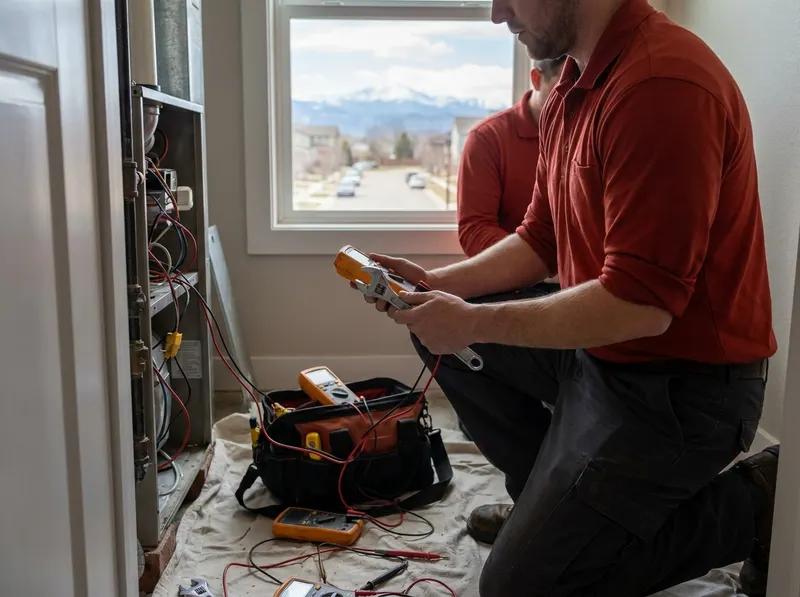
Restoring gas furnace operation during sudden Front Range freezes requires specialized tools to measure manifold gas pressure, verify inducer draft CFM, and inspect flame rectification sensors adjusted for thin Mile High air. Technicians isolate pressure switch trips, faulty hot surface igniters, cracked heat exchangers, and blower motor capacitor failures to return heat safely to your living space. Detailed combustion analysis checks ensure oxygen-to-gas fuel ratios are balanced properly to avoid toxic carbon monoxide emissions and unburned soot deposits inside internal burner chambers.
View details →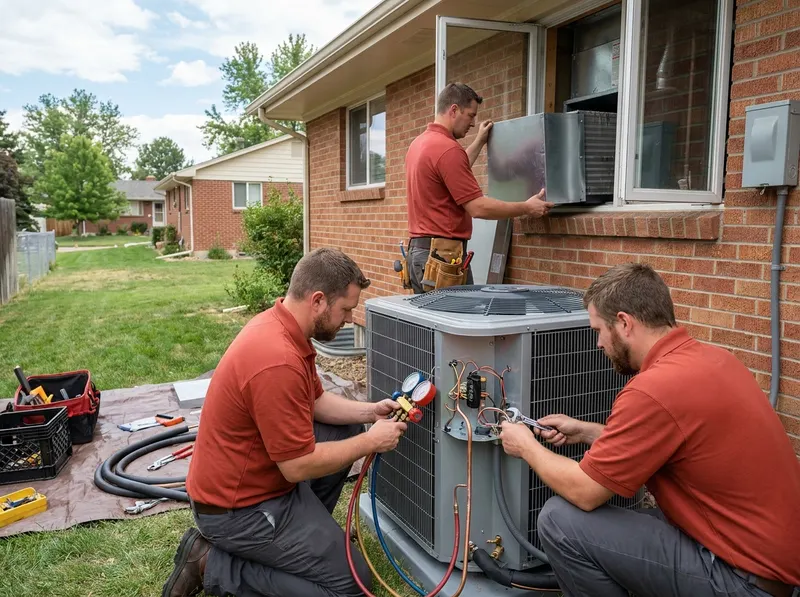
Installing modern SEER2 cooling equipment sized properly to Denver home volume prevents short-cycling and uneven upper-floor cooling. Service includes outdoor condensing unit placement, indoor evaporator coil matching, nitrogen-pressure line-set testing, vacuum evacuation down below 500 microns, and precise R-454B or R-410A refrigerant charge calculation. Installers match high-efficiency condensing units with variable-speed air handlers to achieve precise indoor humidity regulation during intense summer heat spells across the metro basin.
View details →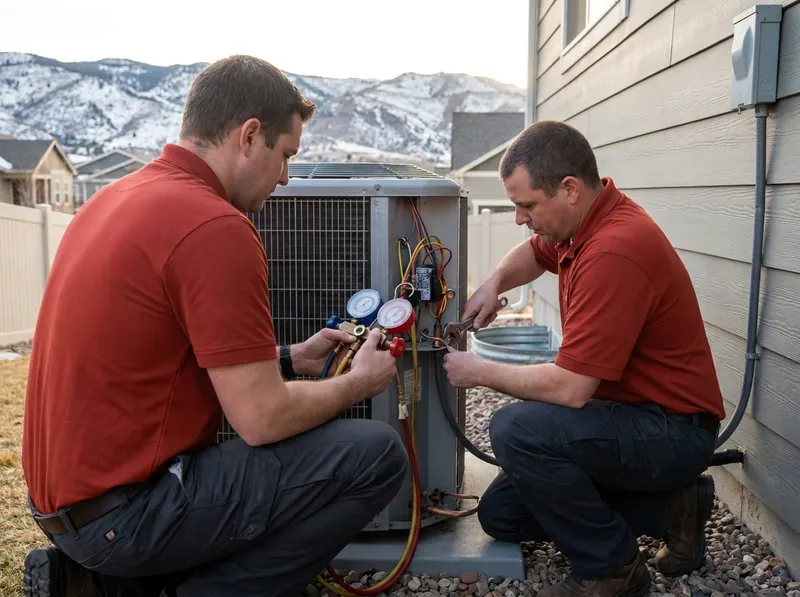
Upgrading Denver homes from fossil fuel furnaces to variable-capacity cold-climate heat pumps provides both heating and cooling in a single unit capable of operating in outdoor temperatures down to -15°F. Installers handle electrical panel capacity checks, auxiliary heat bank wiring, and rebate processing paperwork for municipal decarbonization incentives. Inverter-driven variable compressor systems modulate energy draw seamlessly, maintaining steady indoor comfort without the harsh cycling spikes typical of older single-stage equipment.
View details →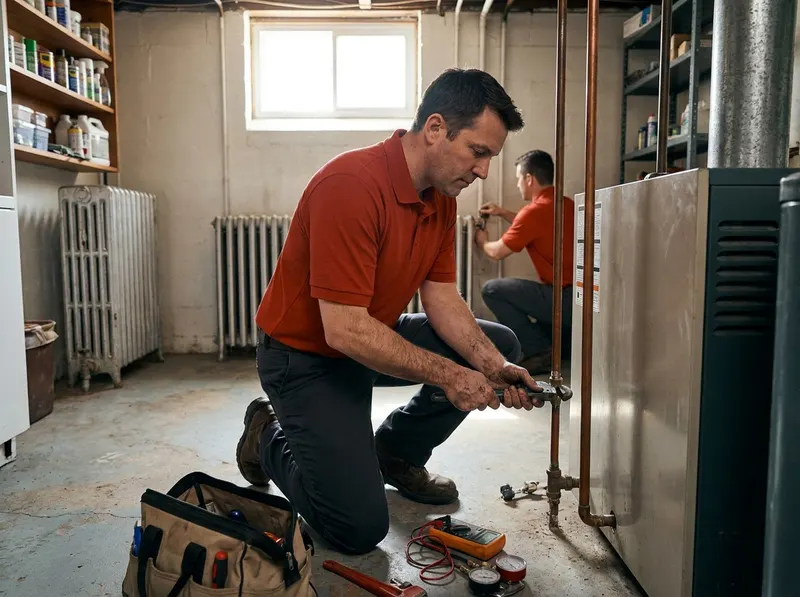
Servicing hydronic heating loops in historic homes throughout Capitol Hill and Washington Park involves bleeding air from radiator circuits, replacing seized circulator pumps, and balancing expansion tank pressure. Technicians test backflow preventers, zone control valves, aquastats, and safety relief valves to ensure quiet, uniform radiant warmth. Modernizing aging hydronic loops with high-efficiency condensing boiler units dramatically reduces winter natural gas consumption while protecting vintage architectural radiator elements.
View details →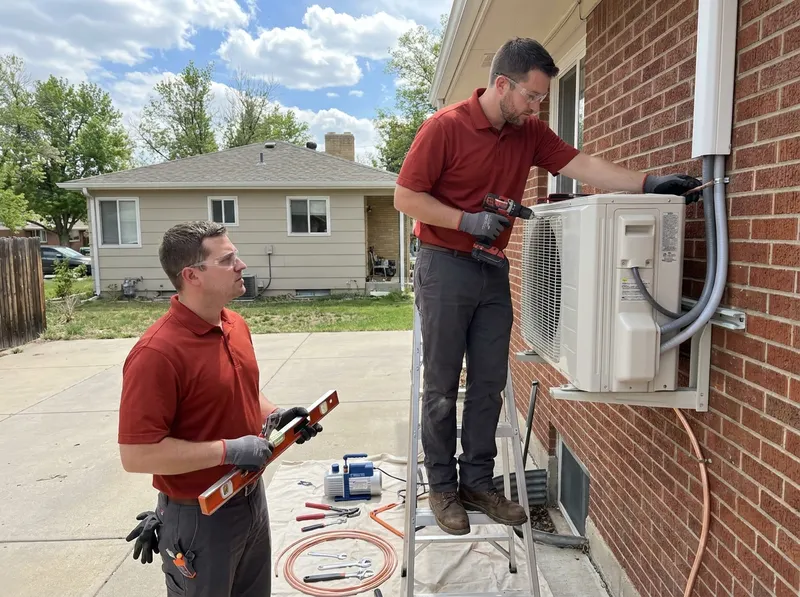
Multi-zone ductless heat pump systems deliver independent room-by-room climate control for home additions, finished basements, or vintage properties lacking duct pathways. Wall-mounted, floor-mounted, or ceiling-cassette indoor heads connect via small refrigerant line conduits to an exterior inverter compressor without requiring major wall demolition. Multi-zone configurations allow occupants to customize temperature setpoints room-by-room, cutting energy consumption in unoccupied parts of the house.
View details →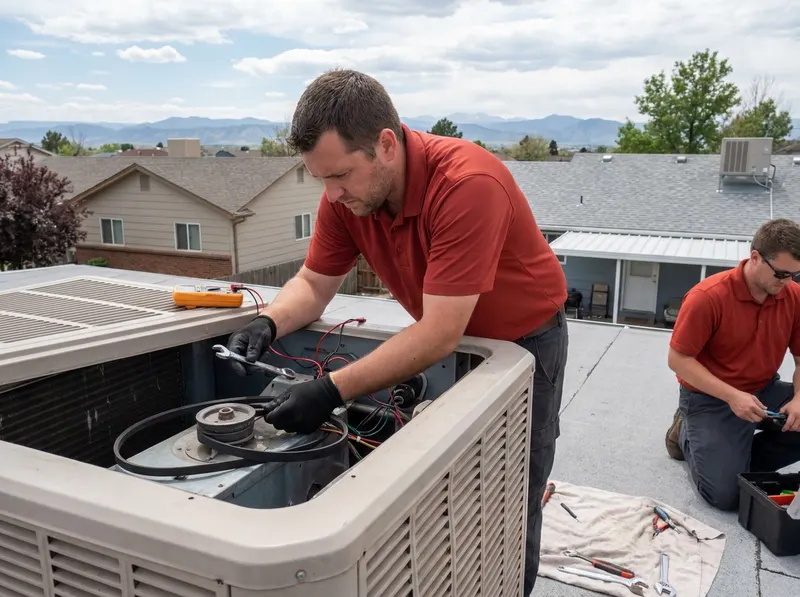
Maintaining whole-home evaporative cooling units requires spring start-up commissioning, water line reactivation, pump replacement, pad refreshing, and fall winterization shut-downs to prevent exterior roof water line freeze breaks along the Front Range. Technicians clean water distribution pans, descale mineral build-up caused by mineral-rich municipal water, inspect motor belts, and align blower wheels to guarantee optimal airflow performance during low-humidity early summer weeks.
View details →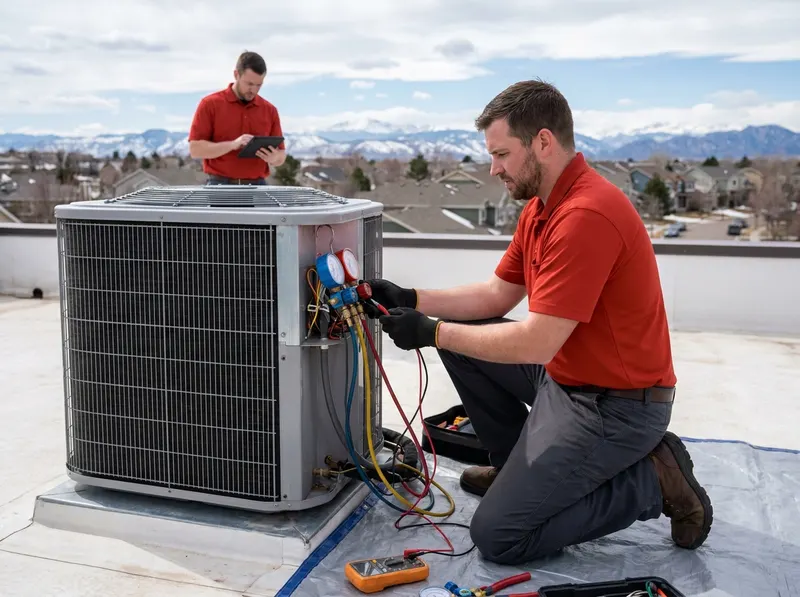
Providing rapid troubleshooting when your heating or cooling system fails completely during extreme weather events. Technicians test electrical continuity, control board sequencing, high-limit switches, and thermostat communication wiring to identify and resolve root-cause hardware failures. Emergency crews carry universal replacement igniters, safety switches, capacitors, and contactors directly on service vehicles to complete vital mechanical restorations during first-visit appointments.
View details →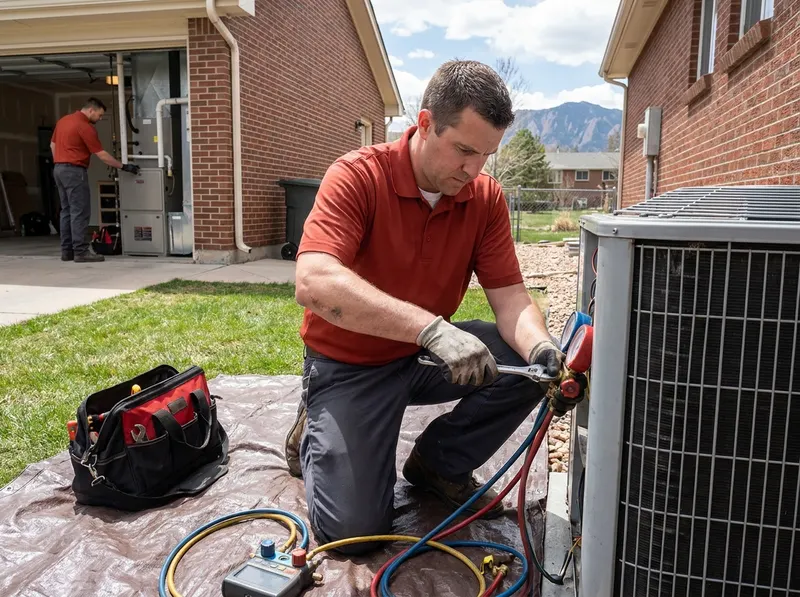
Proactive 21-point system tune-ups optimize efficiency and prevent mid-season breakdowns. Service includes cleaning burners, inspecting heat exchangers, clearing condensate drain traps, testing electrical amp draws, lubricating moving parts, and replacing restrictive air filtration media. Scheduled spring and autumn maintenance protects mechanical components from premature altitude-related wear, sustains valid manufacturer warranty status, and keeps operating utility bills predictable.
View details →An HVAC company in Denver is a licensed mechanical service provider that installs, inspects, maintains, and repairs heating, ventilation, and air conditioning equipment calibrated specifically for Mile High altitude and Front Range climate shifts.
You get a firm, itemized quote for your hvac before any work begins — no surprises, no pressure.
Careful prep, tidy work, and a full cleanup when we are done. We treat your home and belongings like our own.
The same trusted, background-checked team from the first call to the final check.
Selecting the right heating and cooling configuration in Denver depends on home construction vintage, existing ductwork, and winter comfort priorities. If your residence has existing supply and return ductwork in neighborhoods like Central Park or Park Hill, a high-efficiency 96% AFUE two-stage gas furnace paired with a standard central air conditioner delivers reliable recovery during extreme sub-zero cold snaps while maintaining moderate operational costs. If your priority is reducing carbon emissions and qualifying for Xcel Energy and Denver Clean Heat electrification rebates, choose an inverter-driven cold-climate heat pump paired with an electric auxiliary heat strip; the trade-off is higher electrical consumption during rare extended periods below negative 10°F. If you live in a historic home in Baker, Capitol Hill, or Congress Park with radiant hot-water baseboards or cast-iron radiators, install a high-efficiency condensing boiler for primary heat and add a multi-zone ductless mini-split system for summer cooling; the trade-off is a higher initial capital investment compared to forced-air retrofits. If you want lower summer utility bills in an arid climate and have an existing whole-home air distribution system, an advanced whole-house evaporative cooler is an option, but a refrigerated central AC system remains necessary if you want consistent indoor temperatures during humid late-summer monsoon days. For multi-story brick bungalows in Washington Park, running secondary ductwork through finished ceilings often proves structurally destructive; installing ceiling-recessed or wall-mounted ductless cassettes allows independent temperature zoning between upper-level sleeping areas and lower-level main living rooms without compromising architectural finishes. When selecting replacement equipment, compare equipment life expectancy against regional weather loads: standard 80% AFUE furnaces in high-altitude environments face accelerated thermal stress on heat exchangers, whereas variable-speed 96%+ modulating systems run extended, lower-output cycles that match Denver's fluctuating mountain-valley barometric shifts and deliver superior whole-home air filtration against dry seasonal dust and wildfire smoke.
Every project gets a firm, written price after a free on-site visit. Ranges below for orientation.
Tell us about your hvac job and we'll send a clear, written quote — usually the same day. Or just call and talk to a real Denver pro.
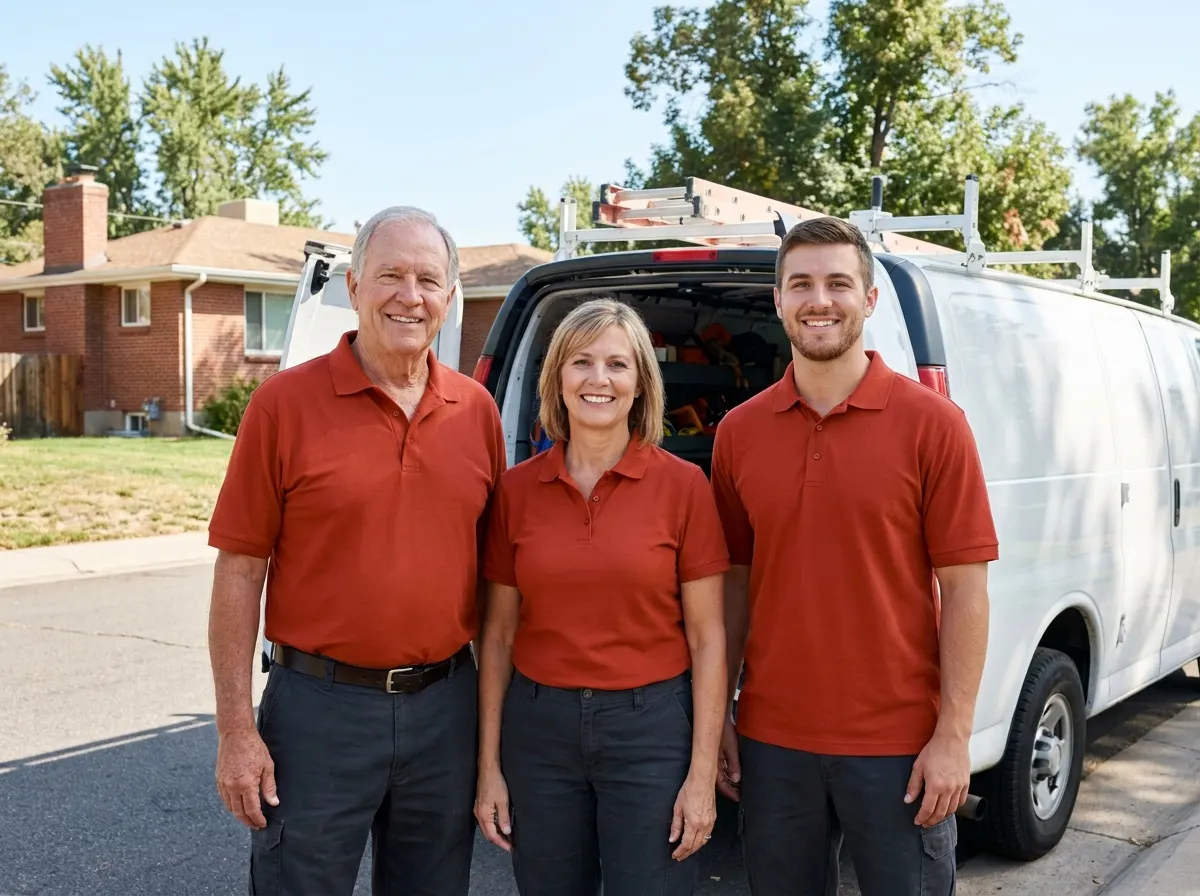
Operating heating and cooling equipment in Denver presents distinct engineering challenges due to the 5,280-foot elevation and Front Range atmospheric volatility. Because air density is roughly 17% lower than at sea level, natural gas heating systems require specific high-altitude burner orifices, properly adjusted gas manifold pressures, and verified combustion air volume to avoid incomplete combustion and carbon monoxide hazard risks. Technicians servicing homes near City Park, Coors Field, and the Denver Botanic Gardens calibrate systems to meet strict City and County of Denver mechanical codes and assist clients with Xcel Energy efficiency rebates. Rapid temperature swings along the I-25 corridor, where Arctic cold fronts plunge temperatures by 40 degrees in hours, demand robust thermal recovery speeds and properly insulated exterior vent flues to prevent condensate line freeze-ups. In older brick properties surrounding Cheesman Park and Baker, uninsulated crawlspaces and vintage masonry chimneys require specialized direct-vent venting techniques to comply with municipal safety rules and prevent indoor draft back-spill. Denver's semi-arid high desert climate also leads to low indoor relative humidity during heating months, making dedicated whole-home humidification essential to protect hardwood floors and enhance perceived heating comfort at lower thermostat setpoints.
 breez system HVAC